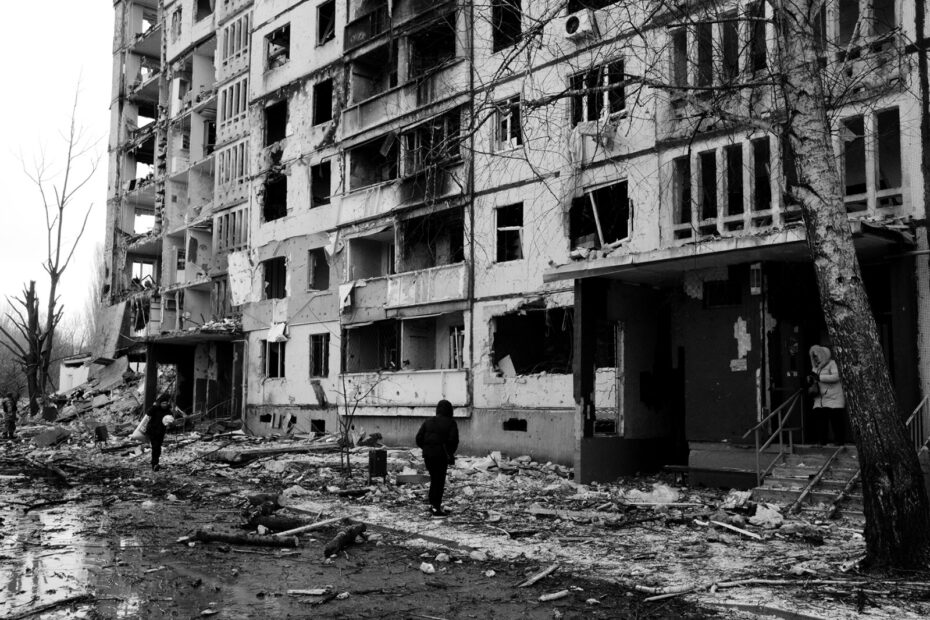
War in your feed
“The first casualty when war comes is truth,” a saying commonly attributed to U.S. politician Hiram Johnson, is more relevant today than ever. Through social… Read More »War in your feed
“The first casualty when war comes is truth,” a saying commonly attributed to U.S. politician Hiram Johnson, is more relevant today than ever. Through social… Read More »War in your feed
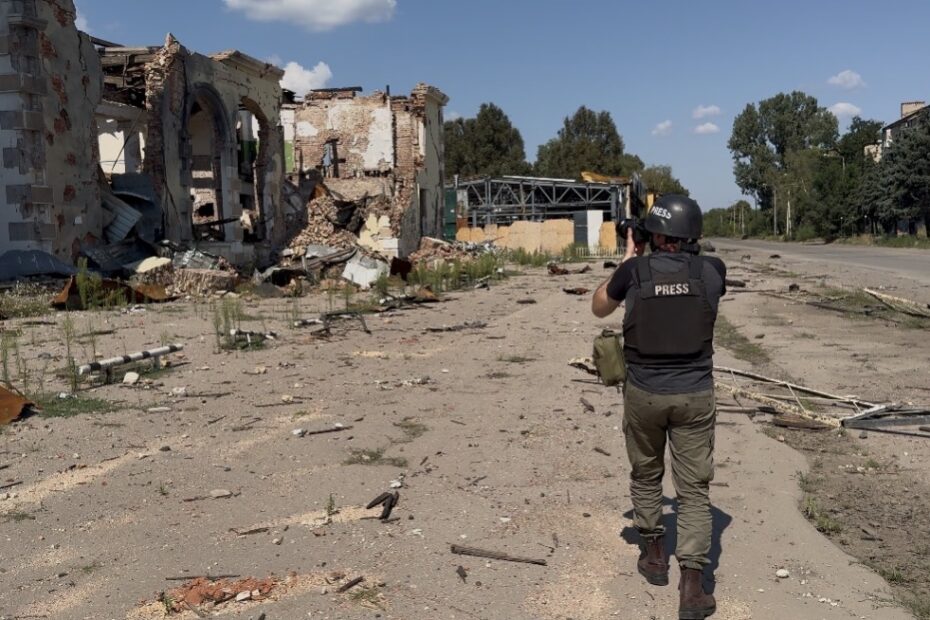
2025 was one of the deadliest years for war journalists. Nevertheless, they continue to travel to crisis and conflict zones to document the suffering caused… Read More »Storyshelling: People who risk their lives to give others a voice
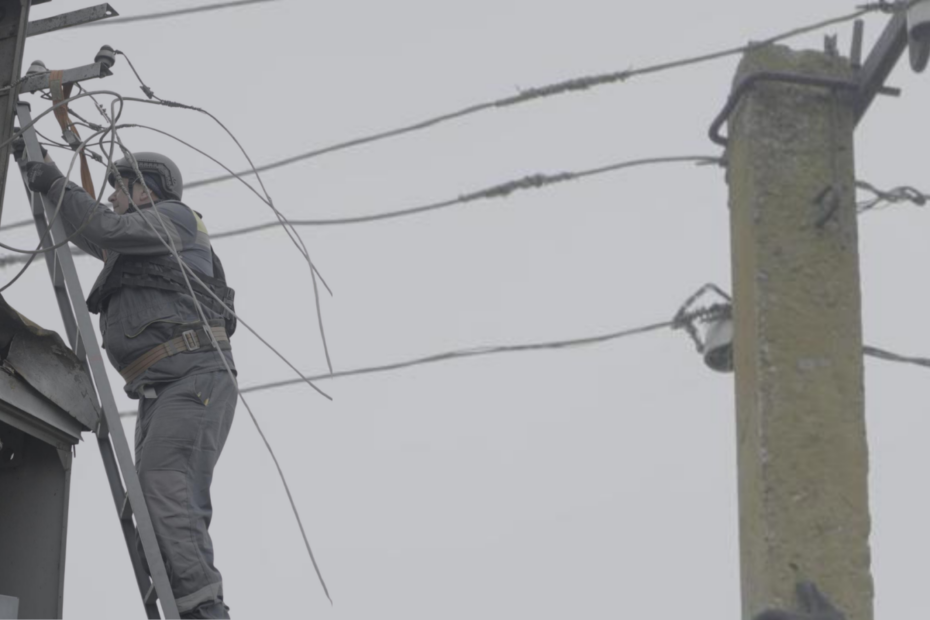
When power and internet access disappear, journalists on the frontline lose the tools needed to verify, report, and share critical information. From the war in… Read More »Information Blackout
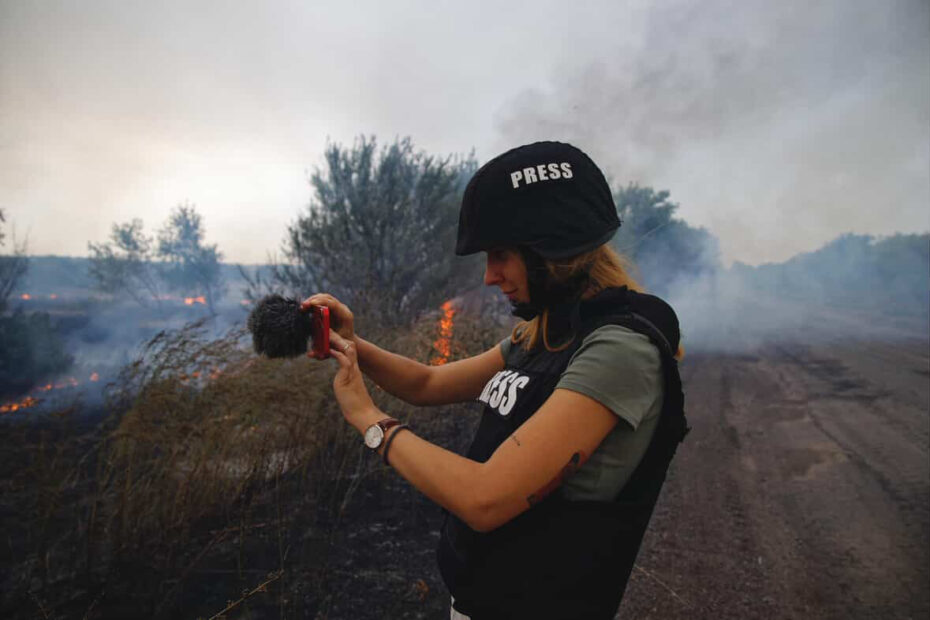
What does the everyday work look like as a female war and crisis reporter? What challenges do you have to conquer on the frontline? Who… Read More »The female fight for the frontline

While the western world is in a mental health crisis, researchers and doctors are taking the first steps towards a new era in their field:… Read More »Seeking AId – AI’s emerging role in psychotherapy
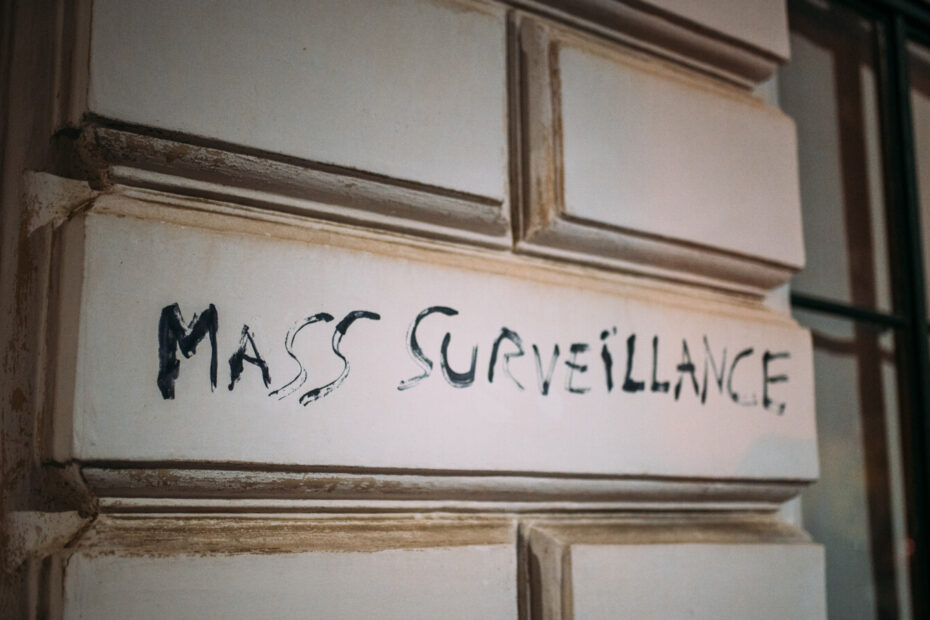
In an age where artificial intelligence is increasingly woven into our societies, mass surveillance is no longer a distant sci-fi concept but a pressing reality.… Read More »EYES EVERYWHERE…? A deep dive into [il]legal surveillance of citizens
ChatGPT and other AI tools have quickly become part of everyday university life. But what does this mean for our creativity and critical thinking? In… Read More »Professors vs. AI: Who wins in the Classroom?
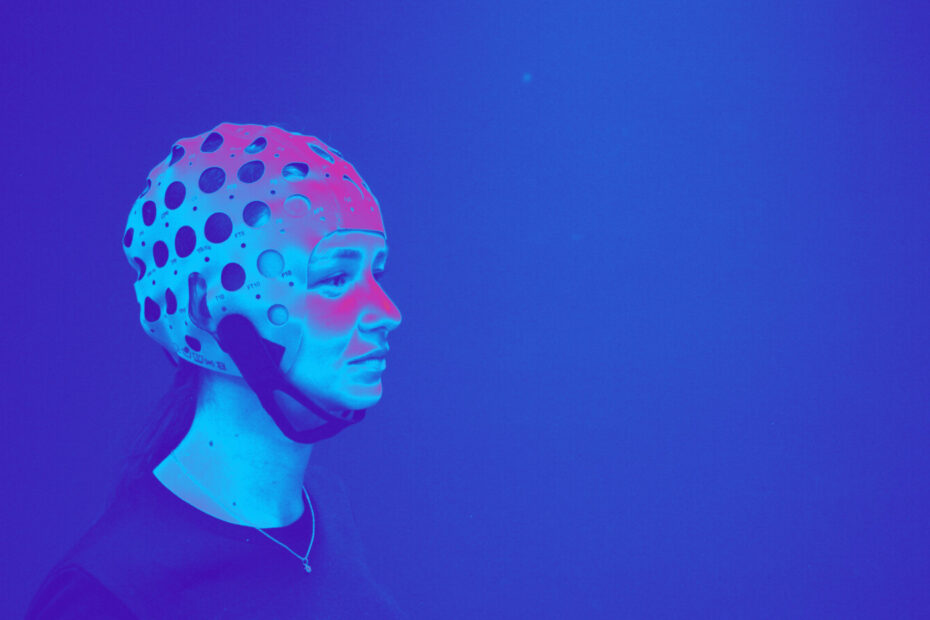
What happens when artificial intelligence steps into the therapist’s chair? AI is constantly evolving and has become more humanlike than ever before. Some people are… Read More »Listening Algorithms – Will AI replace psychotherapists?
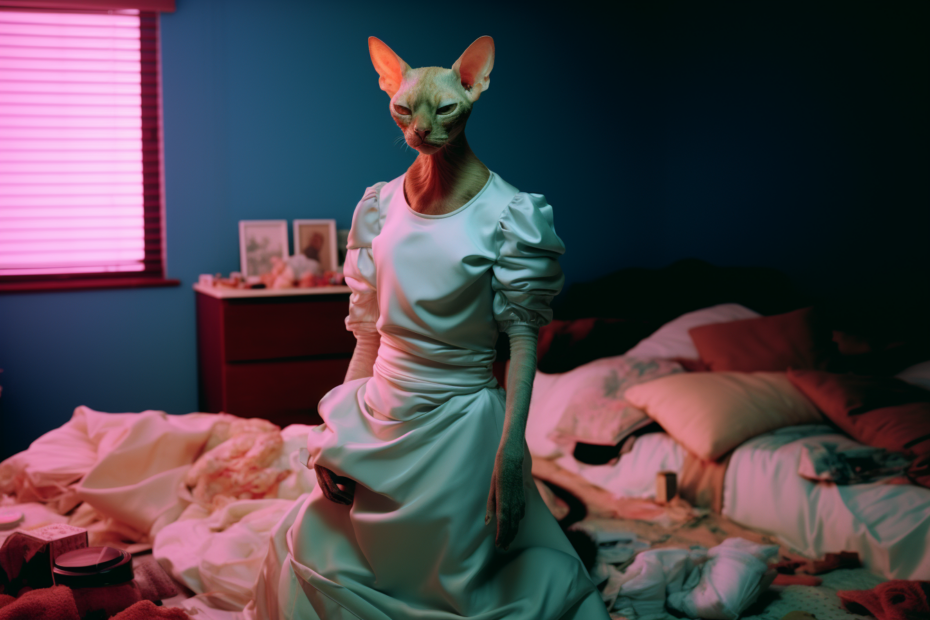
AI is transforming art, sparking debates about creativity and authorship. Artists like Klemens Oezelt use AI as a tool but hesitate to claim the title of “artist,” while Nataliia Myrna sees it as expanding human imagination. Experts are divided – some view AI as revolutionary, while others question its emotional depth. As AI evolves, the question remains: Is it just a tool, or is it redefining creativity itself?
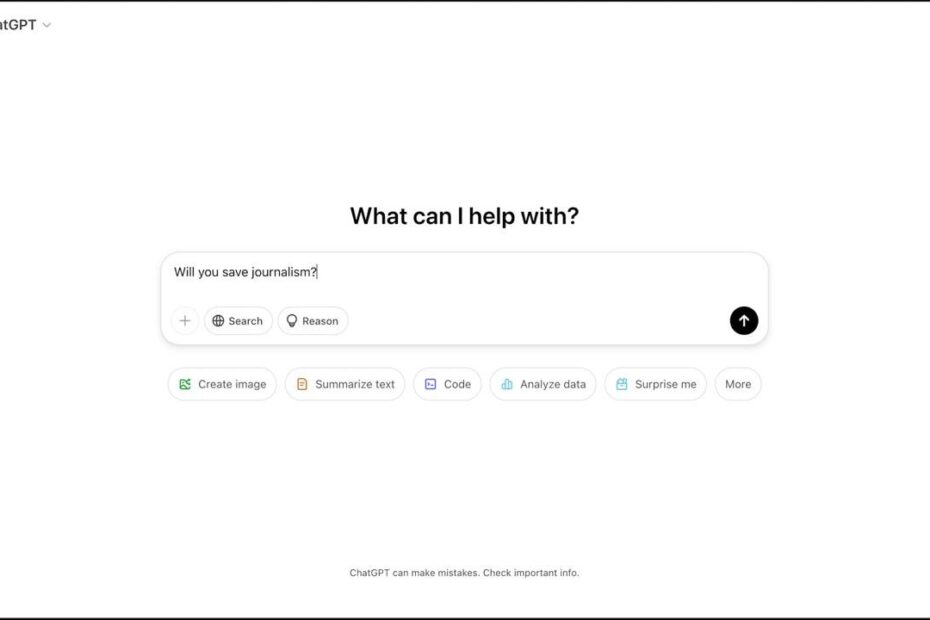
How do you prepare your students for a technology you don’t fully understand yourself? How should a university respond to artificial intelligence? And most importantly, what impact will AI have on journalism education—and ultimately on journalism itself?